|
| Almonds. Photo Credit: SXC.HU |
Well, since I don't eat meat or seafood, I look to natural plant-based sources of protein. I also consume dairy products since I'm not a vegan.
Why is it important?
Protein is essential for skin, bone, muscle and organ health according to the Mayo Clinic, so I try to make sure I get enough in my diet each day.
The Centers for Disease Control (CDC) recommends women ages 19-70 consume 46 grams of protein each day. (For other age groups, click HERE and scroll down.)
6 Vegetarian Sources of Protein
- Greek yogurt: I enjoy eating Chobani Greek Yogurt for breakfast or as a snack. One 6 ounce single-serve container contains 13-18 grams of protein. (Source: Chobani)
- Nuts: One of my favorite go-to snacks is lightly salted almonds. I also use them to make flourless brownies and thicken smoothies. One-fourth cup of almonds contains 7.62 grams of protein--that's more than an egg, according to The World's Healthiest Foods. (Source: The World's Healthiest Foods)
- Beans: 1 cup of dry beans (uncooked) contains approximately 16 grams of protein. Use them to make bean burritos, bean soup or baked beans. (Source: CDC)
- Lentils: I use lentils to make everything from faux burgers and meatloaf to soup and cold salads. These little powerhouses pack almost 18 grams of protein in each cup of cooked lentils. (Source: The World's Healthiest Foods)
- Rice: Whole grain brown rice isn't only rich in fiber and minerals, it's also a great source of protein. Each cup of uncooked rice contains 5 grams of protein. Mix the rice with beans and seasoning for a protein-packed entree. (Source: The World's Healthiest Foods)
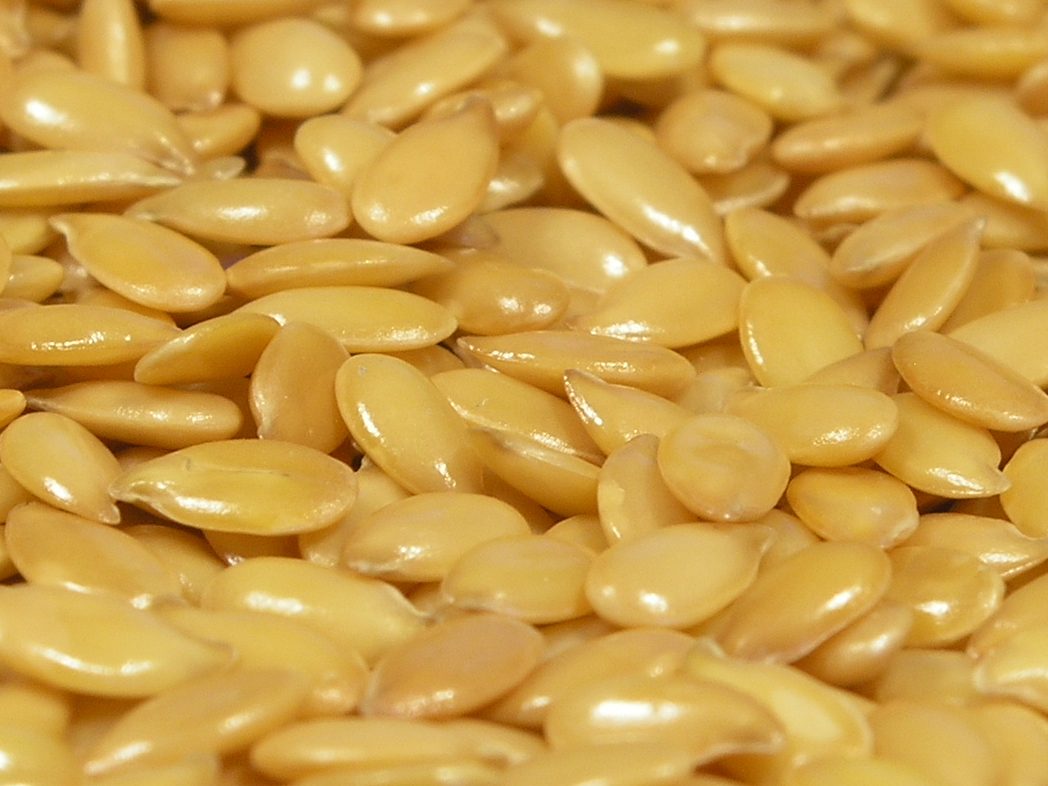
- Seeds: I also enjoy snacking on sunflower seeds. Try sprinkling them on a salad or blended into a rich butter to spread on sandwiches. Just 1/4 cup of sunflower seeds adds 7.27 grams of protein to your diet. (Source: The World's Healthiest Foods)
How do you add non-meat protein to your diet?
Until Next Time,
Choose Healthy!
Angela Tague
Whole Foods Living
###
Until Next Time,
Choose Healthy!
Angela Tague
Whole Foods Living
###