Showing posts with label carbohydrates. Show all posts

Carbohydrates: Diet Fuel

Today's post was written by guest blogger, Catherine Daniels. She gives us some great insight on the importance of carbohydrates for our bodies. After all, carbs aren't evil. In fact, we need them to stay healthy. Read on!


Carbohydrates are the main energy source for the human body. 
Photo credit: Morguefile

They burn much faster than fat because they produce ATPs (adenosine triphosphate) which is the main source of energy for muscle contraction.

Digestible carbohydrates are classified as simple or complex, and are found in grains, fruits, vegetables and dairy products. Plants store starch as a food reserve making seeds and cereals as well as peas and potatoes rich sources of starch.
 
Daily Intake of Carbohydrates
As long as you have enough carbohydrates, proteins will be spared for creation of energy which is their main function. One gram of carbohydrates releases 4 kcal so that means that our nervous system needs around 60g of carbohydrates each day.

Carbohydrates are the main source of energy and they provide fuel for normal functioning of our body. The ideal proportion of carbohydrates compared to the rest of the nutrients is 50-50. This is approximately 4 grams of carbohydrates per kilogram of the overall body weight. Of course, this depends on your energy level, activities and goals. If you are trying to pack on some weight you should increase this optimal rate. 

The Importance of Fruits
Fruits are the perfect carbohydrate because they digest slowly. They satisfy a sweet tooth and do not lead to a spike in insulin because fruit contains powerful phytochemicals.

Watermelon is an excellent source of lycopene and antioxidants that help prevent heart diseases, defend the body from cancer and stimulate muscle recovery. 

Strawberries contain a larger amount of antioxidants and vitamin C than oranges and they are good for bones and joints.

Mango is a rich source of vitamin C and carotenoids. 

Pineapple contains enzymes that can help improve the health of our joints.

Based on the content of carbohydrates, fresh fruits should be divided into three groups:

  1. Those with less carbohydrates which you can consume in large quantities: strawberries, raspberries, blackberries, blueberries, cornelian cherries, melons, berries, citrus, rowan, medlar, oranges and tangerines.
  1. Those with more carbohydrates which should be consumed in small quantities: apricots, peach, plum, apple sauce, orange juice, tangerine juice, apricots, peaches.
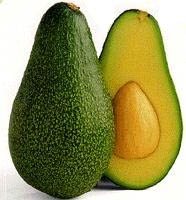
  1. Those with the most carbohydrates which should be consumed occasionally: apples, cherries, pears, grapes, bananas, fresh figs, pineapples, mangoes and avocados.
So, eat fruit more often. Enjoy fruit raw to get the most nutrition out of them. 

Catherine Daniels is a freelance writer and fitness enthusiast who promotes fruit-enriched diets and healthy living.

I Eat Too Much Fruit and Not Enough Fat

Who knew. Apparently I eat too much fruit. And vegetables.

Last week I downloaded a fitness app on my cellphone and started tracking my food, exercise and water intake. In less than 48 hours several things became very clear.
  • You can eat too much produce.
  • Fruits and vegetables are high in carbohydrates.
  • I don't eat enough fat. (WHAT??)

So, as I begin this journey of really understanding my food, I'm completely blown away. Although I've had a healthy whole foods diet for several years, I never realized I'm not eating foods in healthy proportions. 

That means no more bowls of strawberries for lunch, I guess.

Has a health or fitness program helped guide your nutrition and health progress? I'm all ears! What did you learn? Why do you still use the program?

Until Next Time,
Choose Healthy!

Angela Tague
Whole Foods Living

Healthy Eating: 4 Ways to Overhaul a Sandwich

I love making a quick sandwich for lunch. But, sometimes it's hard to stick to a whole foods diet with so many processed sandwich toppings available. So, ditch the bologna and processed cheese food slices. Here are four ways to make your next sandwich healthier.

Layer your sandwich with fresh veggies.
Photo courtesy of Wikimedia Commons.
1. Bread Overhaul
The base of any great sandwich is the bread. Whether you choose a roll, tortilla, bread slices or a flat bun, opt for bread made from whole grains instead of enriched-bleached flour.

"It's really important to make sure that when you are choosing a bread, you're getting a whole grain option. The word "wheat" or "multigrain" does not mean that the food items is whole grain," explains registered dietitian and certified health coach Sarah Nelson, RD, LD, from Hy-Vee Foods in Sioux City, Iowa. "To make sure you are getting a whole grain product, look at the ingredients lists for the word "whole." When you eat whole grains, you get more nutrition for your dollar because you get more vitamins, minerals and fiber."

Breads made from whole wheat, brown rice or quinoa contain more selenium, potassium and magnesium than refined flours, according to the Mayo Clinic. Choosing healthier breads also reduces your chances for heart disease, diabetes and obesity.

Or, go carb-free. The Academy of Nutrition and Dietetics suggests wrapping a cheese stick with lunch meat for a kid-friendly sandwich substitute.

2. PB&J Reinvented
Peanut butter and jelly sandwiches are a staple in many households. You don't have to give up this family favorite. Instead, swap out peanut butter made with refined sugar for a healthier nut butter. With so many options on the market -- from soy, cashew and almond -- you have choices. Just make sure to peek at the label first.

Choose a nut butter sweetened with honey, agave syrup or other natural sweeteners with a lower glycemic index than sugar, suggests Dr. Asquel Getaneh, an assistant clinical professor of medicine at Columbia University, New York, in a Q&A column on Everyday Health. Your blood sugar levels will thank you.

Making jelly or jam healthier is also easy.

"Boost the nutrition in a pb&j by adding flax seed or chia seed to the jam or jelly before spreading on the bread," Nelson suggested. "Chia seeds are nice because they don't have any flavor and mix extremely well with a berry jam."


Add fresh sliced avocado to a sandwich.
Photo courtesy of Wikimedia Commons.
3. Pile on Toppings
If your favorite part of making a sandwich is piling on the toppings, good for you. Next time, challenge yourself to create a rainbow. Add red tomato slices, orange cheese, yellow mustard, green romaine lettuce and purple slices of onion. Or pile on uncommon toppings suggests registered dieticians Jennifer Nelson and Katherine Zeratsky from the Mayo Clinic. Try cranberry sauce on a turkey sandwich or roasted red pepper hummus on a chicken wrap.

Avoid toppings that don't fit into the rainbow. This includes white mayonnaise, brown bacon or tan-colored fried onion rings.

"I replace mayo with a healthy spread like hummus or avocado for heart-healthy monounsaturated fats and fiber," said Nelson. "You won't even miss the mayo. Mayo has almost 200 calories per 2 tablespoon serving. Pesto and salad dressing are also high fat and calorie sandwich spread options racking in over 125 calories per 2 tablespoon serving."

She also recommends using low-calorie mustard or salsa to add a burst of flavor to a sandwich.

4. Choose Lean Proteins
Are you tired of ham and cheese, or bologna sandwiches? Next time you create a sandwich, try using lean and uncommon protein sources. Sliced lentil loaf adds fiber and almost no fat to your lunch. An egg and cheese omelet on whole wheat adds protein without the high-levels of saturated fat found in some lunch meats. When in doubt, skip red meats and choose turkey, chicken, nut butters or legume spreads, such as hummus.

"Make sure to avoid processed deli meats as much as possible (pepperoni, bologna, salami, bacon) because they contain more fat, calories, sodium and nitrates. Go for oven-roasted chicken or turkey deli meats instead of smoked (less sodium and nitrates)," Nelson advises.

So, tell me faithful readers: How do you make your favorite sandwich? My personal indulgence is provolone cheese topped with fresh sliced avocado, tomatoes, alfalfa sprouts, red onion, romaine lettuce and a dab of mayonnaise (Hey, I'm not perfect!) on brown rice bread!

Share your favorite sandwich concoctions in the comments below!

Until Next Time,
Choose Healthy!

Angela

Energy-Boosting B Vitamins


Dried beans, peas, soybeans and whole grains
are rich sources of vitamin B1, thiamine.
Photo by Ronnieb, Morguefile.com
B vitamins are known for their energy-boosting properties. But, what exactly are B vitamins and how can I get them from whole foods? Choose fresh whole fruits, raw vegetables, dried legumes and lean proteins daily.

Here's more about three popular B vitamins: thiamine, riboflavin and niacin.

Vitamin B1 - Thiamine
Thiamine is the leader of the B vitamins. Also known as B1, thiamine is a water-soluble vitamin. Excess thiamine is excreted through urine, so the vitamin needs to be replenished on a daily basis, according to The New York Times Health Guide online.


Thiamine's Purpose in the Body
Like other B vitamins, thiamine is crucial for chemical body processes. B1 converts carbohydrates into energy and helps the heart, muscles and nervous system function properly. When someone is deficient in thiamine, they may ... continue reading.


Asparagus is a good source of
vitamin B2, riboflavin.
Photo by Sideshowmom,
Morguefile.com
Vitamin B2 - Riboflavin
Also known as vitamin B2, riboflavin builds body tissues, helps maintain vision and controls metabolic activities in the body. Riboflavin in the heart, liver and kidneys protects cells from oxygen damage and promotes energy production in the cells.

The vitamin is a team player with other B vitamins. Riboflavin works together with enzymes to convert the amino acid tryptophan into vitamin B3, or niacin. Having enough vitamin B1 in the body helps ... continue reading.


Nuts and leafy green vegetables
provide niacin, vitamin B3.
Photo by Conejoaureo, Morguefile.com


Vitamin B3 - Niacin
Niacin is a member of the powerhouse B vitamins. Also known as vitamin B3, niacin helps regulate digestion, metabolism and the nervous system. Niacin is responsible for converting food to energy. Riboflavin, also known as vitamin B2, works with enzymes in the body to convert the amino acid tryptophan into niacin.

Water Soluble, Replenish Often
Niacin is a water-soluble vitamin. Foods rich in niacin must be consumed regularly since excess vitamins are dispelled in the urine daily. The body does not store niacin for future needs.

Adding niacin to your diet is easy by ... continue reading.

Until Next Time,
Choose Healthy!

Angela

What is Riboflavin?


Also known as vitamin B2, riboflavin is present in whole wheat rice, pasta and breads. Consuming foods containing riboflavin helps maintain your vision, metabolic activities in the body and  promotes energy production in the cells.
Vitamin B-2 (Riboflavin) 100 mg 100 Caps

To read more about riboflavin, read my article "Riboflavin Health Benefits and Sources" on Associated Content from Yahoo! by clicking HERE.

Until next time,
Choose Healthy!

Angela

Garden Pasta


If your garden has an abundance of end of the season tomatoes, try this quick late-summer lunch for two. This recipe is vegetarian friendly and loaded with healthy whole foods.


(Photo by Hotblack, Morguefile.com)

End of Summer Garden Pasta

2 Tbs. olive oil
6 sliced shallots (or 1 cup chopped onion)
2 Tbs. minced garlic
1 cup chopped green, yellow or red sweet peppers (whatever grows in your garden!)
3 cups of chopped fresh tomatoes, including the skins
3 cups cooked whole wheat pasta or whole grain rice


Measure olive oil into a non-stick skillet and warm to a medium setting. Saute sliced shallots, minced garlic and chopped peppers until the shallots are opaque. Add the chopped tomatoes and allow the mixture to simmer and reduce for approximately 10 minutes.

For a more hearty sauce, add 1 cup of sausage-flavored soy crumbles (I like the Morningstar Farms brand) to the simmering tomato mixture.
Barilla Whole Grain Spaghetti, 13.25 Ounce Boxes (Pack of 10)Spoon the sauce over a bed of whole grain spaghetti or whole grain rice.
Serve the pasta with a fresh tossed salad.


Until next time,
Choose Healthy!


Angela
Whole Foods Living

###