Giving up pasta isn't easy. So, I decided I didn't have to. I just had to get creative.
After realizing my wheat consumption aligned with joint inflammation, I decided to venture into a gluten-free diet. Since I prefer eating whole foods, I was thrilled to find a preservative-free one-ingredient pasta alterative at the grocery store: mung bean noodles.
After trying rice-based pasta noodles (mushy and flavorless), I was skeptical. But now I have a new favorite go-to noodle.
Mung beans are also known as cellophane noodles, mung bean threads or glass noodles. The gluten-free pasta earned these odd names because it turns from white to clear when boiled. The thin strands remind me of angel hair pasta or a very slender spaghetti. Even after boiling and baking them in pasta sauce, the noodles retain a common chewy noodle texture.
Mung beans don't have much natural flavor, so they absorb the flavor of other ingredients. I've been pairing them with homemade alfredo sauce and sauteed vegetables to create a calorie-heavy indulgence. That is the downside to the noodles; They aren't friendly on the figure.
One cup of dehydrated mung bean noodles contains 491 calories and 121 grams of carbohydrates. The beans don't offer any protein and very little fiber to your diet. However they contain iron, phosphorus and selenium. To boost the nutrition factor, pair the noodles with vitamin-packed veggies, lean proteins and low fat dairy products.
Although the noodles are a splurge, it's nice to have a gluten-free option that withstands boiling, baking and tossing with other ingredients without falling apart (like some gluten-free carbs).
Do you use mung bean noodles? What are you favorite recipes? Please share in the comments section below.
Until Next Time,
Choose Healthy!
Angela Tague
Whole Foods Living
###
After realizing my wheat consumption aligned with joint inflammation, I decided to venture into a gluten-free diet. Since I prefer eating whole foods, I was thrilled to find a preservative-free one-ingredient pasta alterative at the grocery store: mung bean noodles.
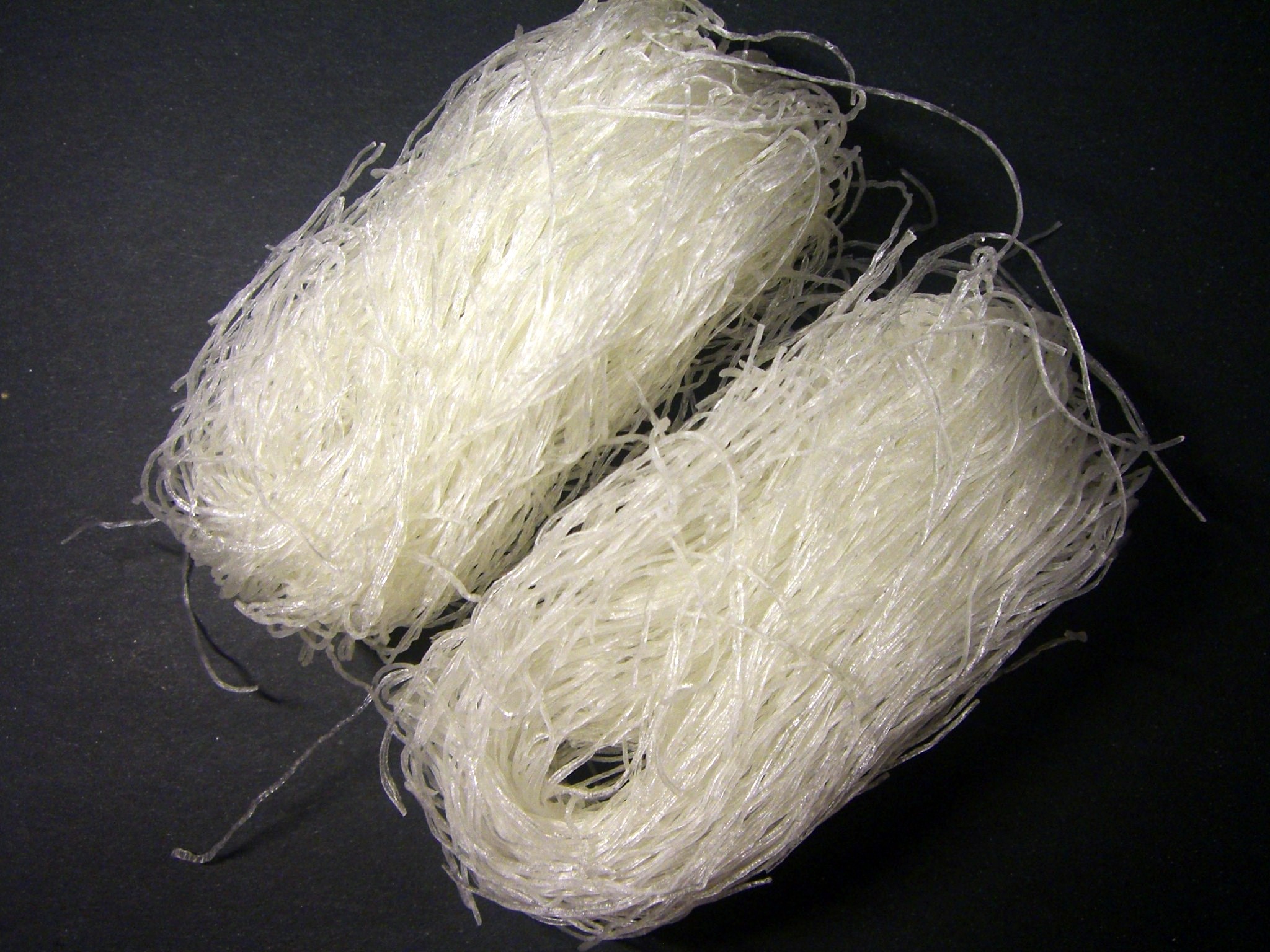 |
| Mung Bean Noodles Photo by Wikimedia Commons |
After trying rice-based pasta noodles (mushy and flavorless), I was skeptical. But now I have a new favorite go-to noodle.
Mung beans are also known as cellophane noodles, mung bean threads or glass noodles. The gluten-free pasta earned these odd names because it turns from white to clear when boiled. The thin strands remind me of angel hair pasta or a very slender spaghetti. Even after boiling and baking them in pasta sauce, the noodles retain a common chewy noodle texture.
Mung beans don't have much natural flavor, so they absorb the flavor of other ingredients. I've been pairing them with homemade alfredo sauce and sauteed vegetables to create a calorie-heavy indulgence. That is the downside to the noodles; They aren't friendly on the figure.
One cup of dehydrated mung bean noodles contains 491 calories and 121 grams of carbohydrates. The beans don't offer any protein and very little fiber to your diet. However they contain iron, phosphorus and selenium. To boost the nutrition factor, pair the noodles with vitamin-packed veggies, lean proteins and low fat dairy products.
Although the noodles are a splurge, it's nice to have a gluten-free option that withstands boiling, baking and tossing with other ingredients without falling apart (like some gluten-free carbs).
Do you use mung bean noodles? What are you favorite recipes? Please share in the comments section below.
Until Next Time,
Choose Healthy!
Angela Tague
Whole Foods Living
###

